
Notice: Online Bookings Only
 
Home » Attractions » The Mill & Water Wheel

Restoring and preserving an 18th century landmark

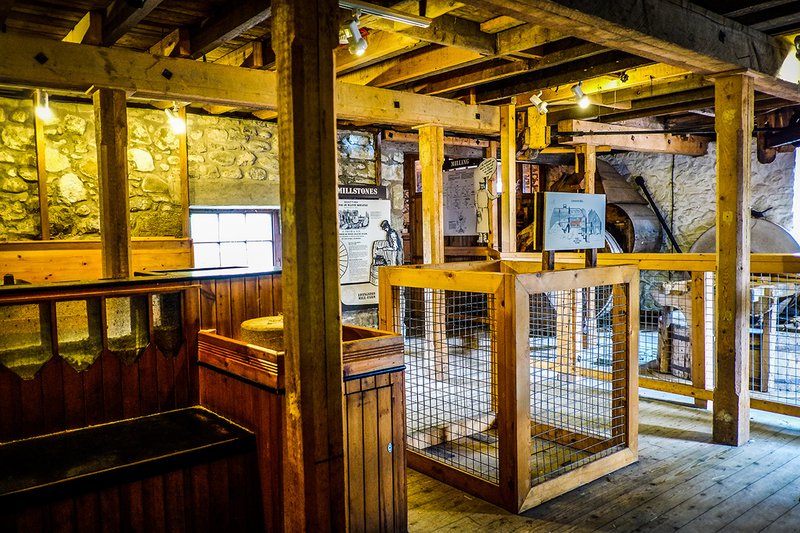
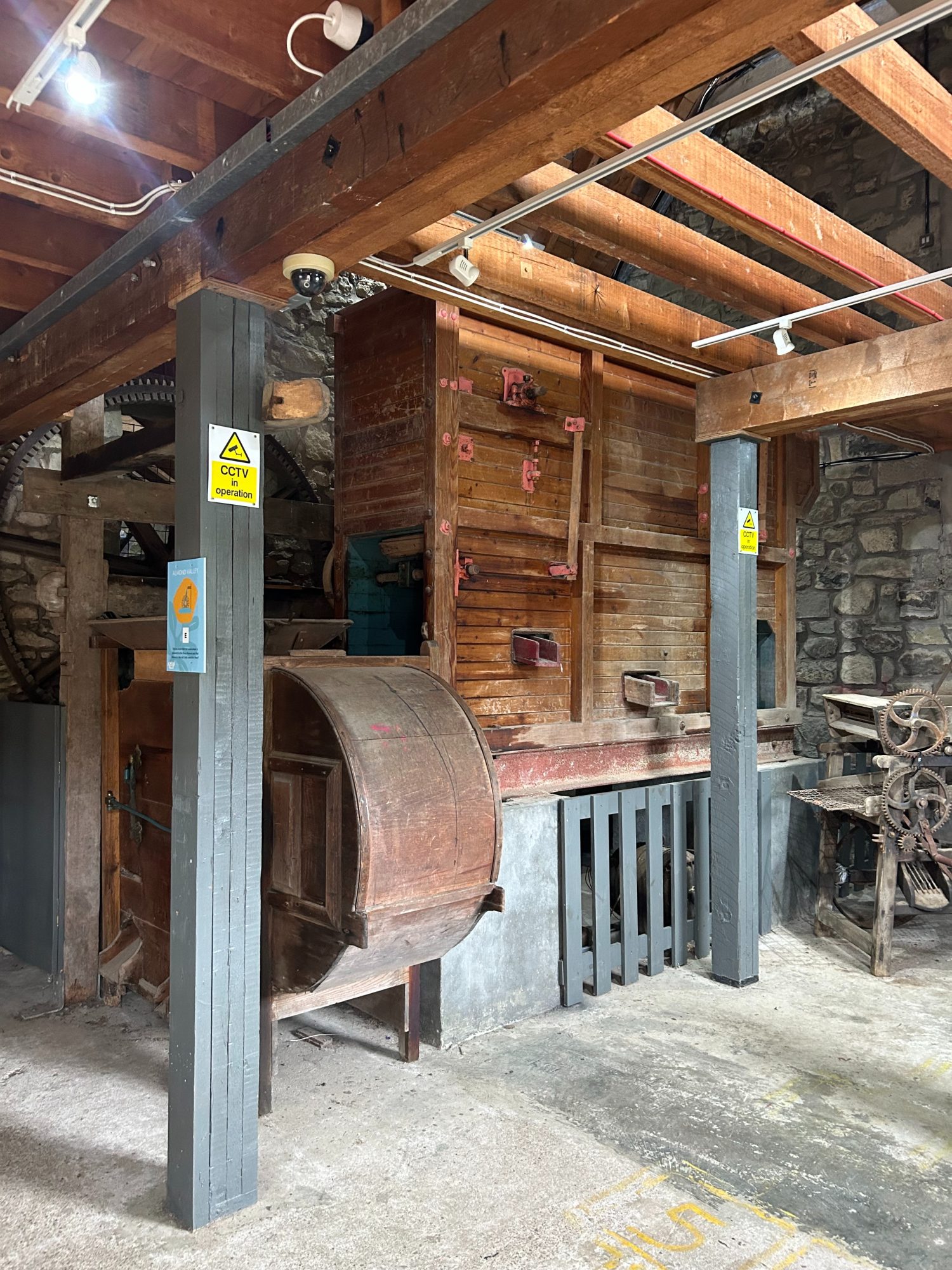
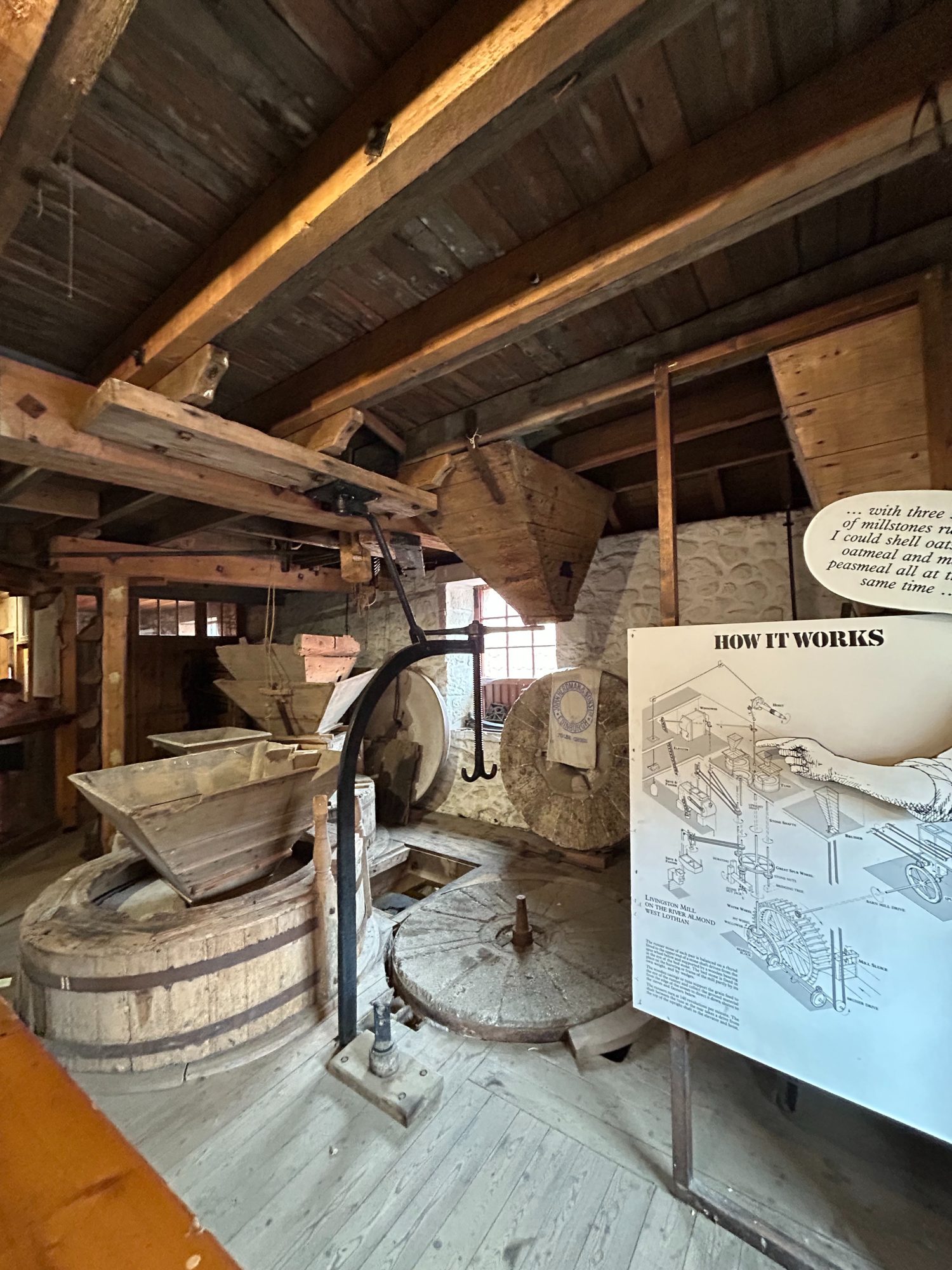
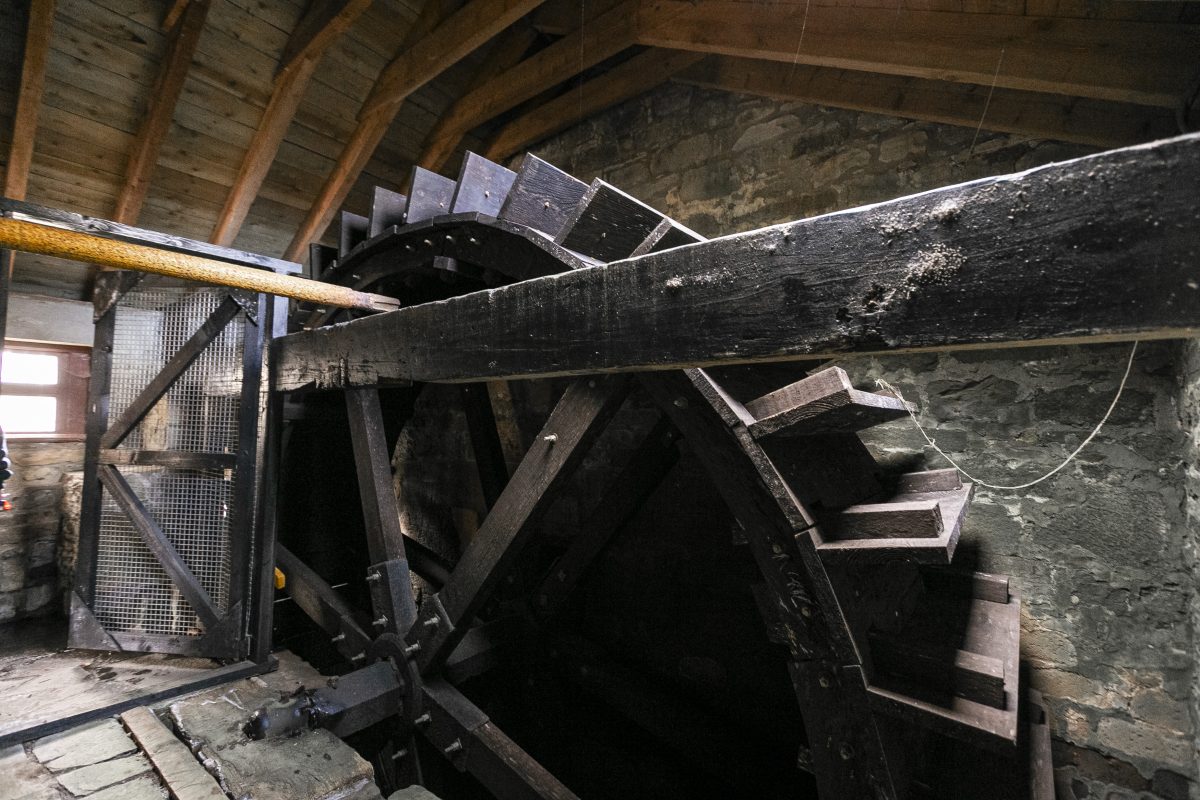
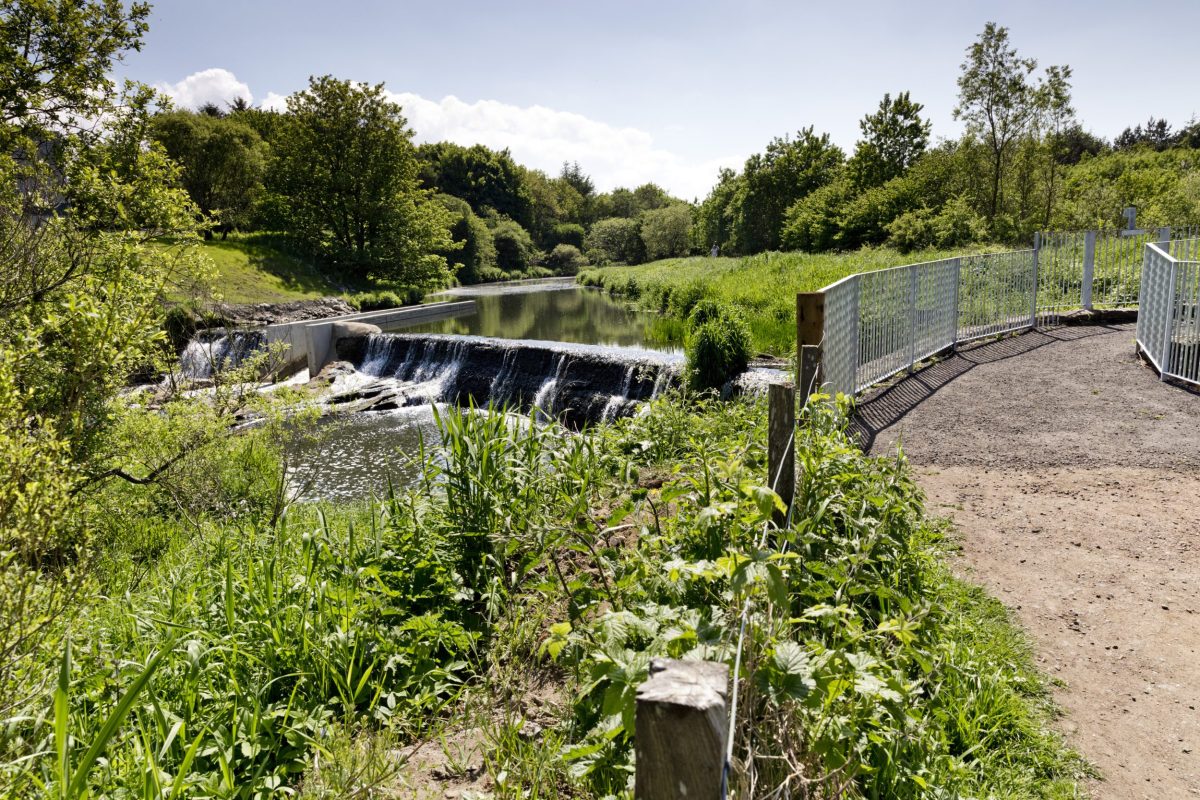
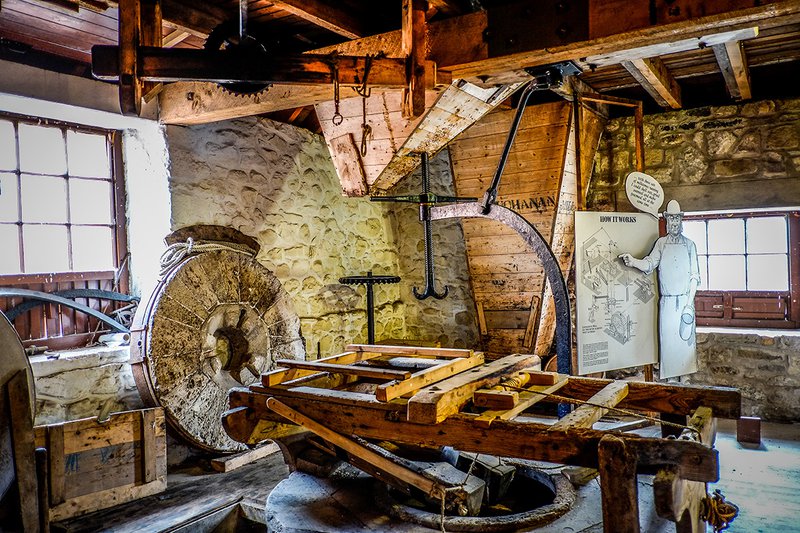
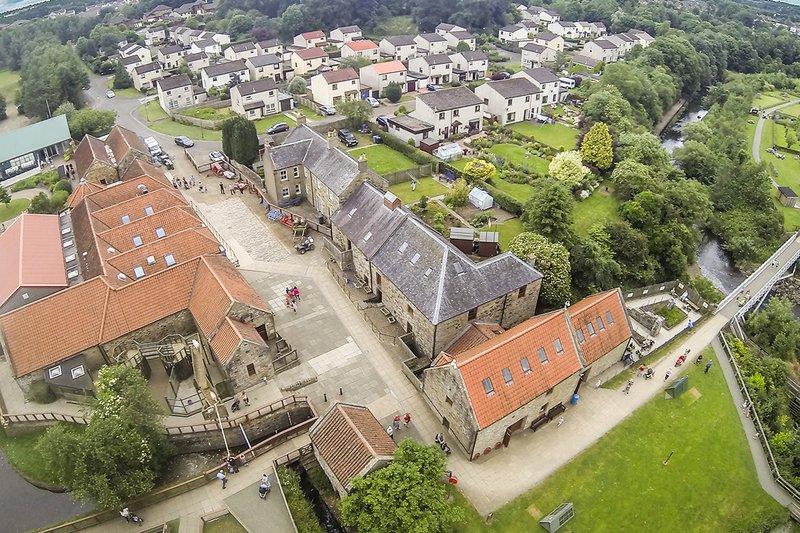
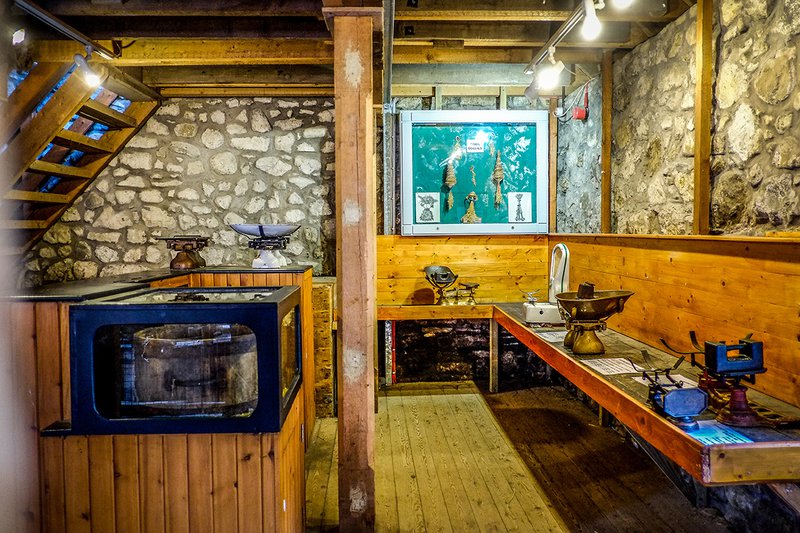
Livingston Mill and Farm is an extraordinary part of the nation’s heritage and integral part of the Almond Valley Heritage Centre. Dating back to the 18th century, the Mill and waterwheel, powered by the River Almond, was once a productive agricultural enterprise at the beating heart of the local community. Along with grinding grain into flour and meal for farmers it provided the burgeoning community with access to livestock and produce and afforded them a much-needed hub for people to gather, meet, engage and connect.  

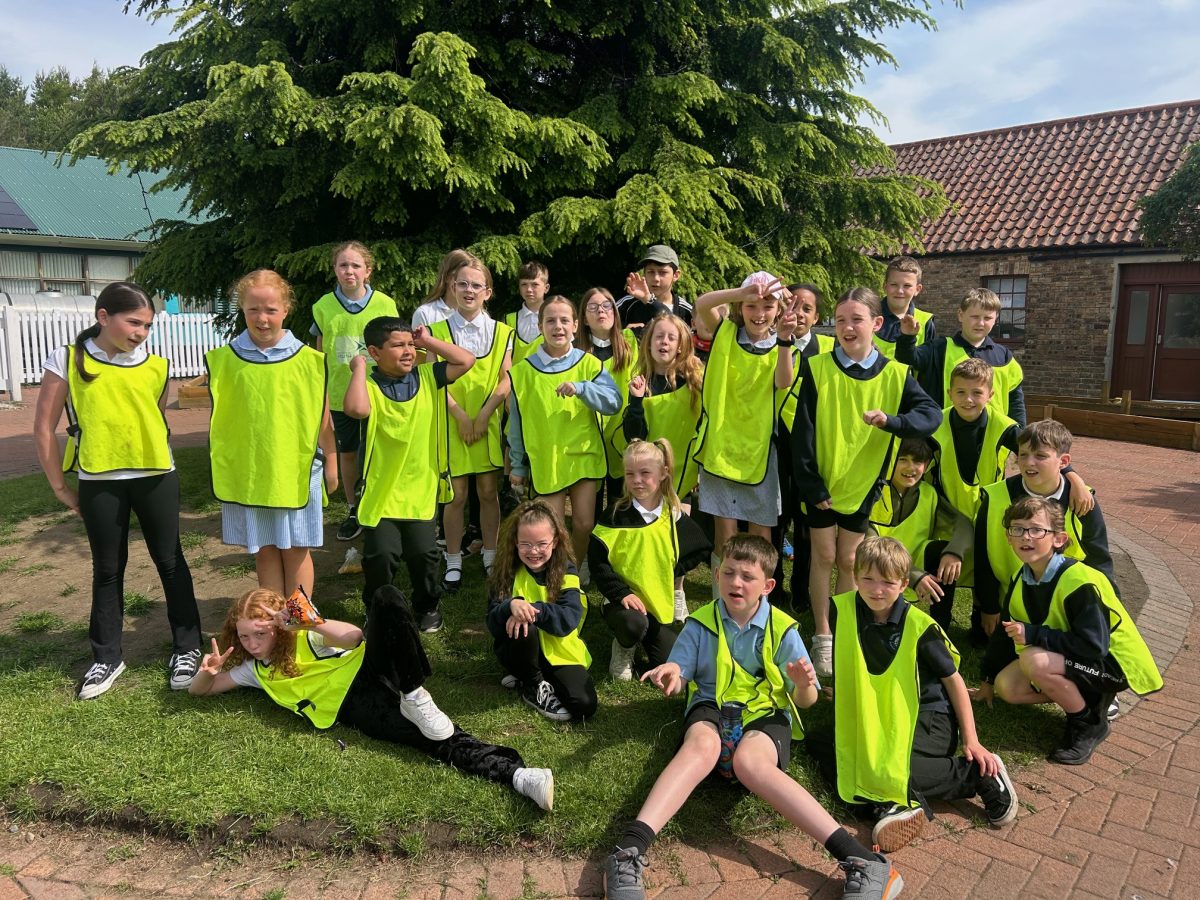
Thanks to the passion, care and determination of a small number of local people who formed the Mill Farm Project in 1970, the Mill, waterwheel and a small number of attendant buildings have been carefully restored to be enjoyed by future generations. Now, some 200 years on, this extraordinary built heritage is a wonderful source of learning and discovery enjoyed by schools and visitors alike.

Having stood the test of time and born witness to the industrial revolution, the waterwheel is a wonderful reminder of the important symbiotic relationship between people and planet and a symbol of green energy, providing a useful conduit for us to explore the transition from the oil fuelled industrial revolution to a green revolution.
© Almond Valley 2026
| |
 
Registration No: SC013783
|
Guarantee No: 089429
Annual Memberships Book now
This website uses cookies
This site uses cookies to enhance your browsing experience. We use necessary cookies to make sure that our website works. We’d also like to set analytics cookies that help us make improvements by measuring how you use the site. By clicking “Allow All”, you agree to the storing of cookies on your device to enhance site navigation, analyse site usage, and assist in our marketing efforts.
These cookies are required for basic functionalities such as accessing secure areas of the website, remembering previous actions and facilitating the proper display of the website. Necessary cookies are often exempt from requiring user consent as they do not collect personal data and are crucial for the website to perform its core functions.
A “preferences” cookie is used to remember user preferences and settings on a website. These cookies enhance the user experience by allowing the website to remember choices such as language preferences, font size, layout customization, and other similar settings. Preference cookies are not strictly necessary for the basic functioning of the website but contribute to a more personalised and convenient browsing experience for users.
A “statistics” cookie typically refers to cookies that are used to collect anonymous data about how visitors interact with a website. These cookies help website owners understand how users navigate their site, which pages are most frequently visited, how long users spend on each page, and similar metrics. The data collected by statistics cookies is aggregated and anonymized, meaning it does not contain personally identifiable information (PII).
Marketing cookies are used to track user behaviour across websites, allowing advertisers to deliver targeted advertisements based on the user’s interests and preferences. These cookies collect data such as browsing history and interactions with ads to create user profiles. While essential for effective online advertising, obtaining user consent is crucial to comply with privacy regulations.